


With the acceleration of the renovation of 770,000 kilometers of underground pipeline networks in China, trenchless rehabilitation is embracing significant development opportunities. Industry competition is focusing on equipment reliability, ease of use, and timely maintenance. Leveraging fifteen years of UV technology expertise, Ergu Optoelectronics offers two flagship equipment lines covering the full mainstream diameter range from DN60 to DN2000, along with training and technical services, providing construction enterprises with a one-stop equipment solution to ensure efficient project delivery.
In recent years, the pace of urban underground pipeline network renewal and renovation has clearly accelerated. Under the deployment of the "15th Five-Year Plan" for Urban Renewal, the renovation of 770,000 kilometers of underground pipeline networks across the country is being comprehensively advanced. In 2026, ultra-long-term special government bonds totaling 160 billion yuan for underground pipeline networks will continue to be implemented, and trenchless rehabilitation projects are experiencing substantial growth.
However, great industry opportunities do not mean that everyone can seize them. As the market expands from first-tier cities to prefecture-level cities and counties, the competition among construction enterprises is also changing – it is no longer just about who quotes the lowest price, but about project delivery capability and quality control capability. The comprehensive capabilities of equipment suppliers directly determine the project delivery efficiency and market competitiveness of construction enterprises.
Based on actual feedback from numerous project sites, the core demands of construction enterprises for equipment suppliers are concentrated in three dimensions.
First, equipment reliability, which is the bottom line for project delivery.**
Pipeline rehabilitation projects mostly have strict road closure windows. Projects on municipal arterial roads and near residential areas have tight construction schedules, and equipment cannot afford to stop for even a minute. The underground working environment is humid and dusty. If equipment stability is not up to standard, it is very prone to failure during continuous operation – extending project duration, increasing labor and rental costs, and even worse, affecting the enterprise's reputation in the industry.
Second, ease of operation, matching the current personnel situation in the industry.**
The trenchless rehabilitation industry is expanding rapidly, but the technical level of frontline construction teams is uneven, and many teams do not have dedicated equipment operation and maintenance personnel. Equipment with complex operation logic and high commissioning thresholds not only prolongs the project preparation period but also easily causes equipment failures or rehabilitation quality issues due to improper operation. Equipment that is easy to learn, intuitive to operate, and simple to maintain is more suited to the actual capabilities of most construction teams.
Third, timely maintenance response, minimizing downtime losses.
Engineering equipment inevitably experiences wear and tear under high-intensity operation. The core difference lies in the recovery speed after a failure. Some suppliers focus on sales but neglect service, with slow response and long waits for spare parts after the equipment is sold – if equipment on a project is down for one day, there is one day of schedule loss and cost consumption. An after-sales system with rapid response, sufficient spare parts, and the ability to quickly resolve problems is a supporting capability that construction enterprises value highly.
Ergu Optoelectronics' two core equipment lines: inversion drums for small diameters, UV curing systems for large diameters**
With fifteen years of deep cultivation in the UV optics field, Ergu Optoelectronics has refined its products around the real needs of construction enterprises and deployed two core equipment lines for different diameter rehabilitation scenarios – covering everything from small-diameter branch pipes to large-diameter trunk mains.
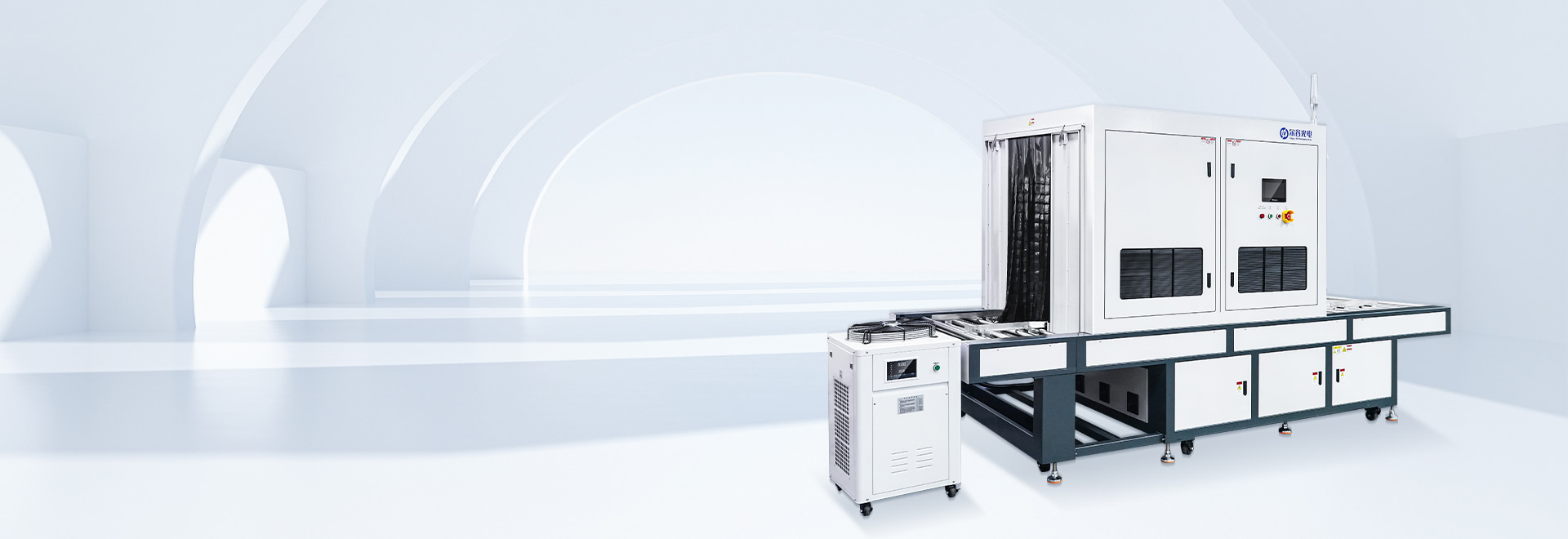
For the rehabilitation of small-diameter pipeline networks from DN60 to DN500, we provide the CIPP air inversion drum. This is the core equipment for inversion-method CIPP rehabilitation, using compressed air to smoothly invert the resin-impregnated liner hose into the pipeline to be repaired at a constant speed, ensuring the hose closely conforms to the pipe wall. The core advantages of this equipment are highly aligned with the characteristics of small-diameter projects:
First, high precision in pressure regulation. Equipped with a precision pressure regulation module and real-time pressure monitoring, it can precisely control the inversion pressure for small-diameter hoses – ensuring the hose has sufficient thrust to smoothly pass through diameter changes and bends, while avoiding pressure overload that could cause hose stretching or damage.
Second, excellent air tightness and pressure stability. Validated through multiple rounds of working condition testing, the air pressure during inversion remains stable, reducing problems such as hose wrinkling and uneven fit caused by pressure fluctuations.
Third, compact structure with small footprint. Equipped with mobile casters, it can be flexibly moved and positioned even in narrow working spaces such as old residential communities and back alleys. This inversion drum is especially suitable for small-diameter pipeline rehabilitation projects such as residential unit outlet pipes, alley branch pipes, and pipelines within industrial parks.
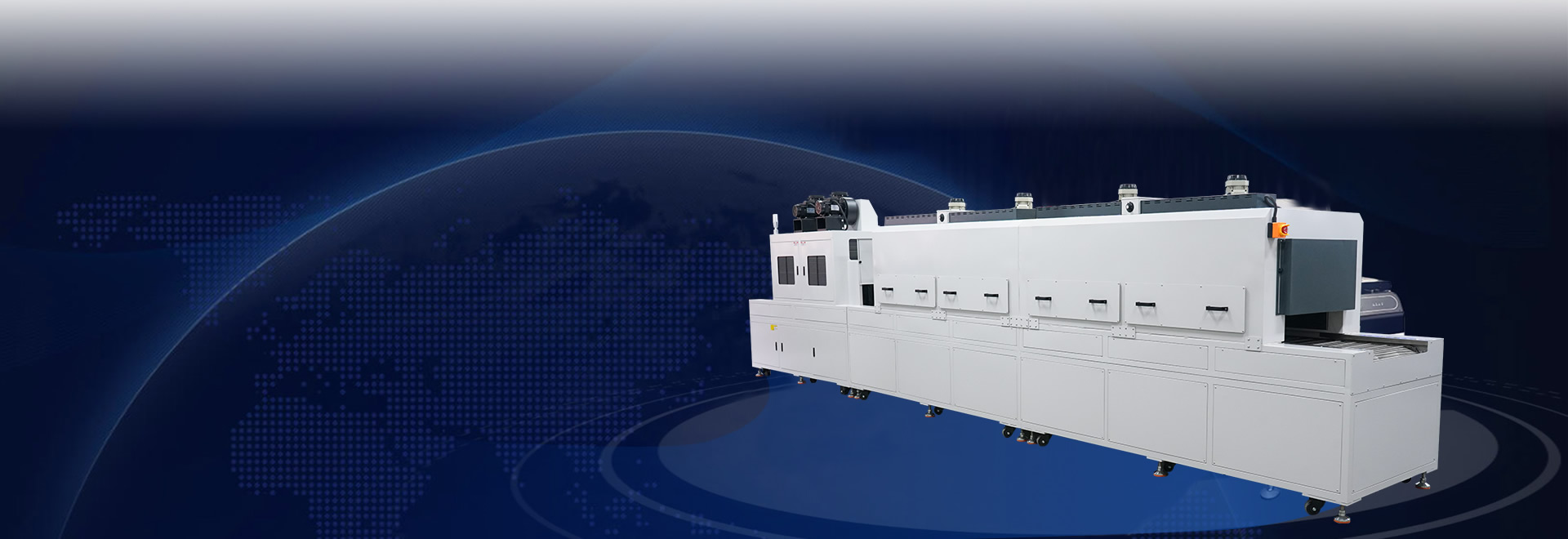
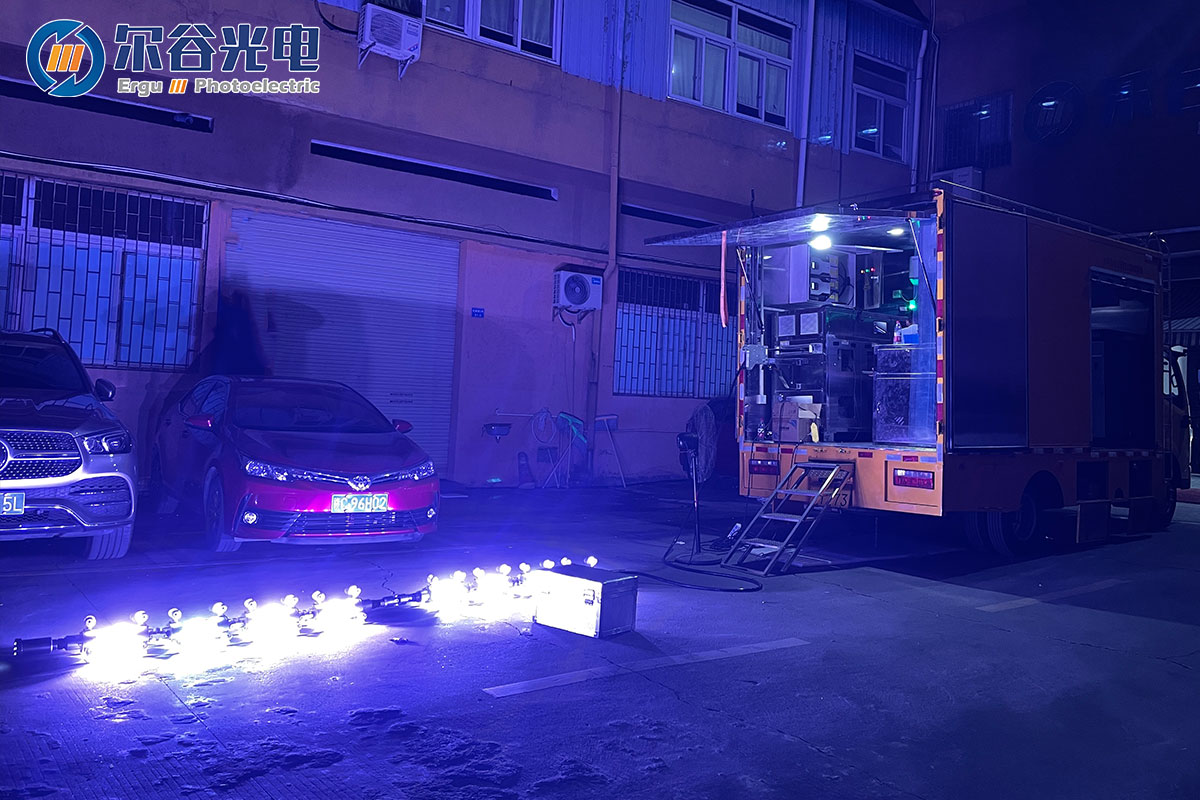
For the rehabilitation of medium and large diameters from DN300 to DN2000, we provide the UV curing system. This is the core forming equipment for CIPP light-curing rehabilitation – after the light chain is inserted into the pipe, it moves forward at a constant speed, and ultraviolet light irradiation triggers resin crosslinking and polymerization, curing the flexible hose into a new liner pipe with independent structural strength. Its core design is optimized around the construction needs of municipal projects:
First, modular light chain design. Corresponding UV light chains and lamp feet can be flexibly selected according to pipe diameter. The circumferential light distribution is optimized through optical simulation, achieving uniform 360° illumination and ensuring consistent crosslink density and stable structural strength of the cured liner pipe.
Second, the light chain has a certain degree of flexibility and maneuverability. It can adapt to slight pipe deformation and small-angle bends, suiting the complex conditions of aging domestic pipeline networks.
Third, highly integrated control system. With stepless power adjustment, adjustable travel speed, and real-time temperature and power monitoring, curing parameters can be adjusted according to different wall thicknesses and resin systems.
Fourth, a front-end endoscopic camera module is included. Construction personnel can view the curing process inside the pipe in real time from the ground, promptly detecting anomalies and making adjustments.
This system is mainly suitable for the structural rehabilitation of medium and large-diameter pipelines such as drainage and gas trunk mains under municipal roads, and is especially suited for projects with short construction windows, such as traffic arteries and areas around commercial districts – featuring fast curing speed and stable forming quality. The design service life of the rehabilitated liner pipe can reach 50 years.
The combination of these two product lines covers the mainstream rehabilitation diameters from DN60 for residential branch pipes to DN2000 for municipal trunk mains. When construction enterprises undertake full-category pipeline network projects, they can achieve one-stop equipment procurement, avoiding the problems of poor process integration and scattered after-sales support from equipment from different manufacturers.
Beyond products: on-site service support**
Upon equipment delivery, Ergu Optoelectronics provides standardized hands-on training – covering everything from equipment assembly, parameter setting, and routine maintenance to common troubleshooting, with step-by-step instruction. Even newcomers who have recently been introduced to the process can master standardized operations in a short time. For key projects or first-time projects involving new processes, engineers can be arranged to provide on-site training, assisting throughout the entire process with parameter debugging and handling unexpected on-site situations.
The long-term healthy development of the trenchless rehabilitation industry cannot be separated from the mutual empowerment of equipment manufacturers and construction enterprises. Relying on fifteen years of UV optics technology accumulation, 36 relevant patents, and the ISO 9001 full-process quality management system, Ergu Optoelectronics has always grounded its product development in the real working conditions of domestic pipeline networks. In the future, we will continue to optimize product performance and service systems, and with reliable equipment and professional services, accompany more construction enterprises in seizing market growth opportunities and jointly contributing to the renewal and upgrading of urban underground pipeline networks.
 Wechat friend
 Official Accounts